

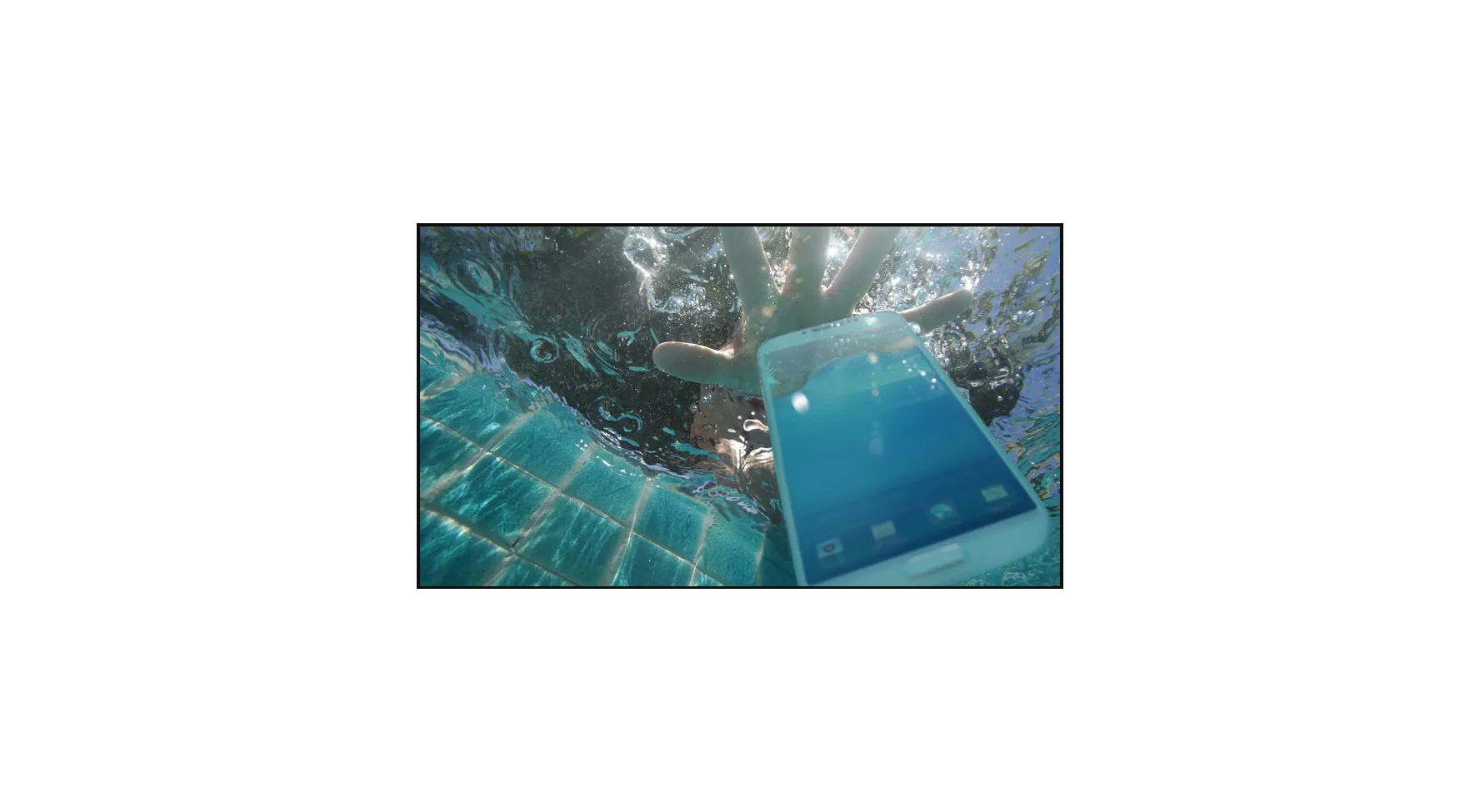
Life and its unexpected happenings can sometimes catch us off guard. One moment, you're texting away on your smartphone, the next, your once reliable gadget is soaking in a pool of water. It could be a splash from a glass of water, an accidental drop into the sink, or a sudden rain shower. Whatever the cause, water and smartphones don't mix well. But, all hope is not lost. This comprehensive guide will walk you through the steps to salvage your waterlogged device, explain how to protect it from future water damage, and enlighten you on the difference between water-resistant and waterproof rating in smartphones.
The Aftermath of a Water Encounter
When your smartphone makes an unplanned dive into water, several things could happen. Modern smartphones with high IP (Ingress Protection) ratings might escape unscathed. However, those with low or no IP ratings might suffer significant damage. Water can seep into the phone, reach the electronic components and cause them to short circuit, leading to temporary or permanent damage.
Immediate Rescue Measures
If your phone has taken a plunge, speed is your ally. Here's what you need to do immediately:
1. Swift Extraction
Remove your phone from the water as quickly as you can. The shorter the duration of its underwater experience, the higher the chance of limiting the damage.
2. Power Down
Turn off your phone right away. This immediate action can help prevent any electrical shorts that might cause further damage. Refrain from turning it back on if there's still a hint of moisture inside.
3. Dismantle What You Can
If you can, remove the back cover, battery, SIM card, and memory card. Opening up your phone will expose it to more airflow, helping it dry faster.
4. Dry the Exterior
Use a soft cloth or paper towel to blot away the water from the outside of the phone. Be thorough as any leftover water might seep inside the device.
5. Gentle Shaking
Hold your phone securely and give it a gentle shake to get rid of water trapped in the ports and slots.
Drying Techniques: Debunking the Rice Myth
One popular method for drying a water-damaged phone is burying it in a bowl of dry rice. However, contrary to popular belief, rice isn't the most effective drying agent. It has a relatively low saturation point and can leave dust and debris inside your phone.
Instead, consider using silica gel, which is more absorbent. If that's not available, other household absorbents like couscous or oats can also be used. However, you should never seal the container as it's crucial for the water to evaporate.
The Waiting Game
After taking the necessary steps, you'll need to wait for at least 24 to 48 hours before attempting to turn on your phone. This waiting period allows the internal components to dry completely, reducing the risk of short-circuiting.
The Moment of Truth
After the drying period, you can reassemble your phone and attempt to turn it on. If it powers up and functions normally, consider yourself lucky. However, back up your data immediately as water damage can sometimes cause delayed issues.
If your phone refuses to power on, don't lose hope. You could seek professional help to salvage your device or retrieve important data.
Waterproof vs. Water-Resistant: Know the Difference
When purchasing a new phone, you'll often hear terms like 'waterproof' and 'water-resistant'. It's essential to understand the difference. A waterproof device is impervious to water, while a water-resistant one can withstand water exposure up to a certain limit. This resistance is measured by the IP rating, with higher numbers indicating better protection against water and dust.
Preventive Measures
Prevention is always better than cure. Here are some steps to safeguard your phone against potential water damage:
Invest in a Water-Resistant Phone
Several modern smartphones come with high water resistance ratings. If you're prone to water-related accidents, consider investing in one of these.
Use a Water-Resistant Case
Using a water-resistant case can provide an additional layer of protection for your phone. However, remember that any ports or slots left open can still allow water to seep in.
Use a Dry Bag
If you're planning to be near water bodies, consider placing your phone in a dry bag. This can offer a degree of protection against splashes or accidental drops.
Professional Help: The Last Resort
If your phone fails to power on despite your best efforts, professional help might be your final resort. Companies like Puls offer diagnostic and repair services for water-damaged phones. While they can't guarantee 100% success, they will do their best to bring your phone back to life or at least retrieve your important data.
Water damage to your phone can be a stressful event. But with the right steps, you can increase the chances of your device surviving this unfortunate incident. Remember, the key is to act quickly, dry effectively, and wait patiently. And, of course, taking preventive measures can save you from such mishaps in the future.